Follow a complete service movement
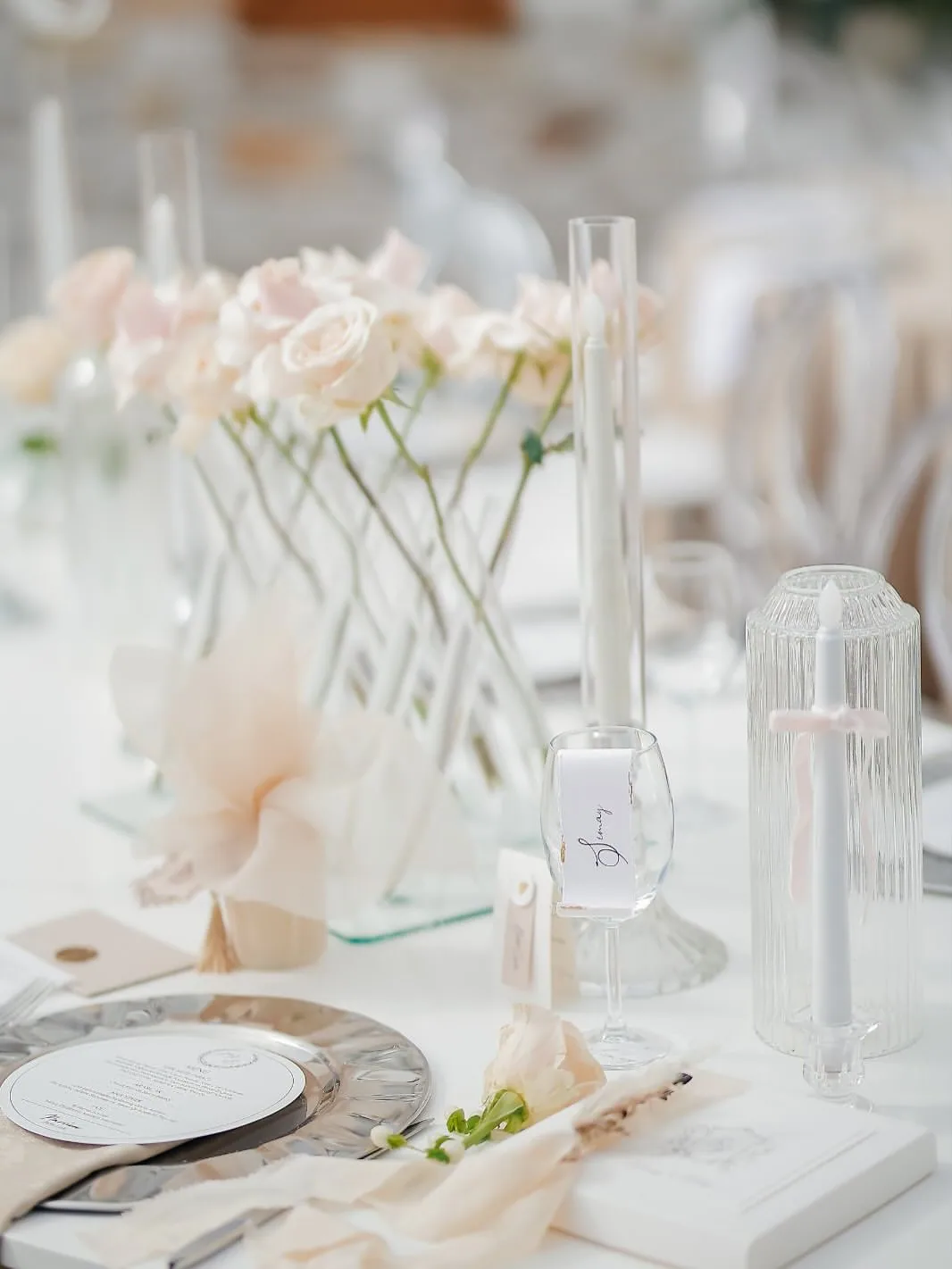
Lay a full place setting using the venue’s dinner plate, glassware, side plate and utensils. Ask the service team to place a plate, refill water and clear the setting. Mark the areas their hands use. This creates a more practical guide to available décor space than simply finding the geometric centre of the table.
Look beyond the product base
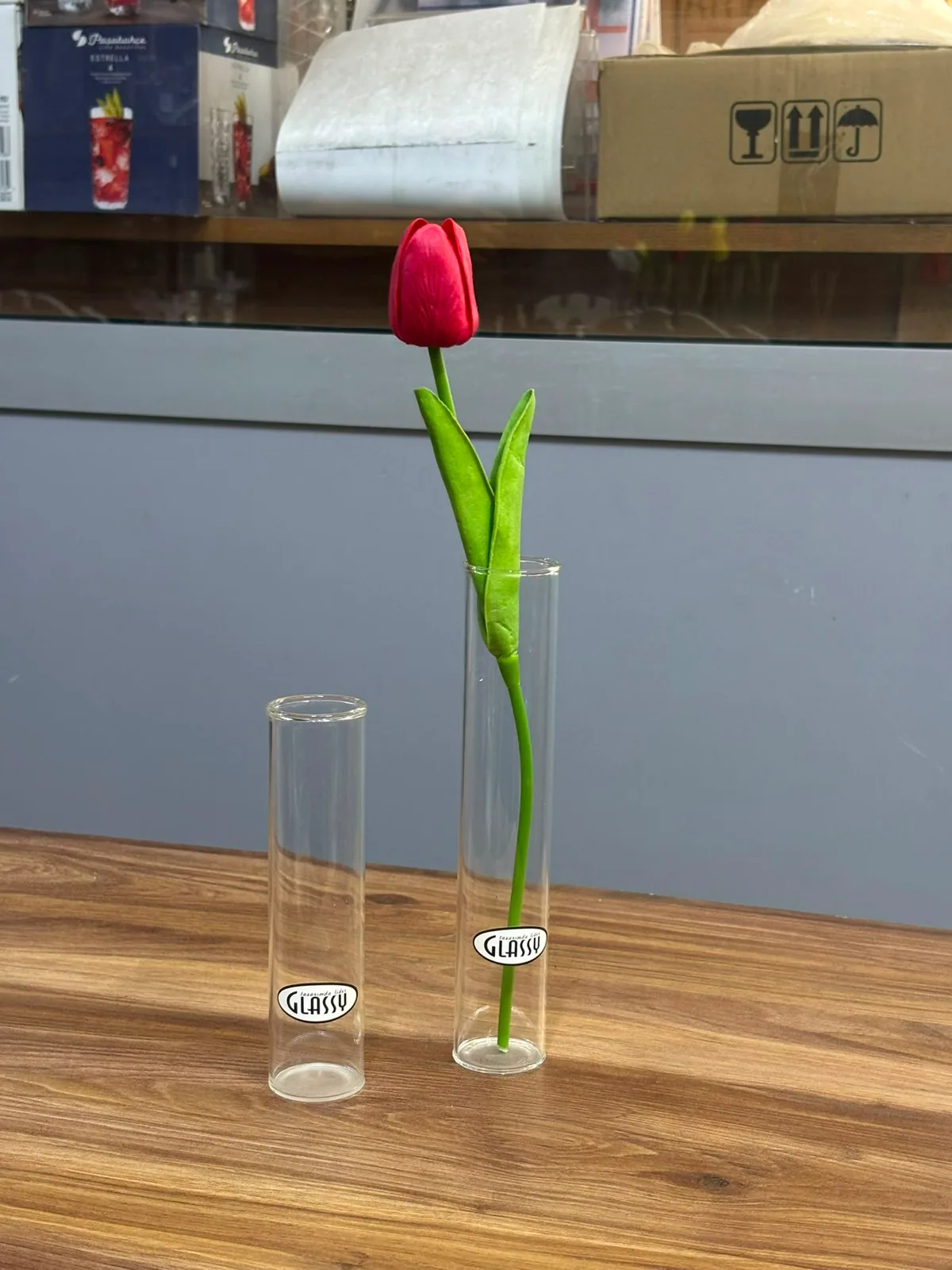
A candle holder arm or a flower stem may extend beyond the base. Check these projections against the serving route with the complete arrangement in place. A 7 cm diameter cylinder and a classic candle holder occupy space differently. Specify the chosen height and quantity too; the product family name alone does not describe the setup.
Allow for items added during the meal
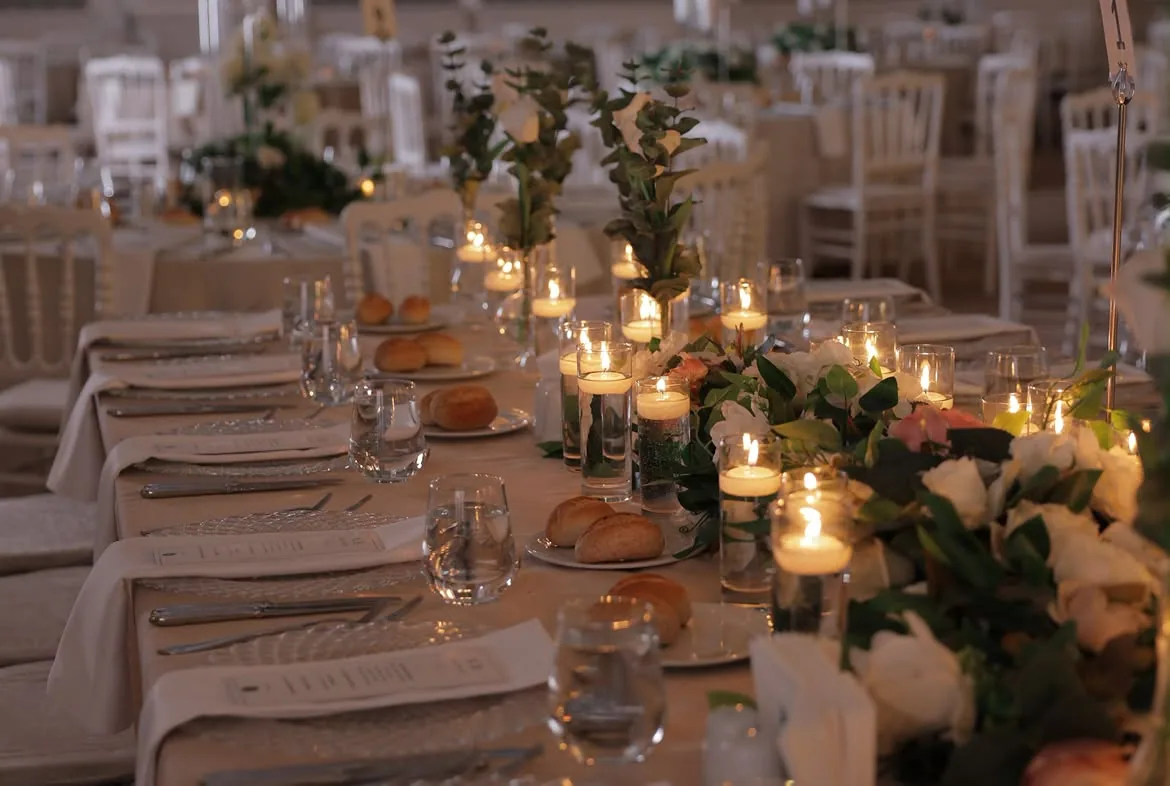
Sauce dishes, sharing plates and bottles may appear after the opening photograph. Ask which items remain on the table and rehearse their arrival. If decoration has to be moved for every course, reconsider its position or scale. Several smaller groups may create different access points from one broad arrangement, depending on the menu.
Give both teams the same reference
Take an overhead photograph and number the decorative pieces. Mark the spaces deliberately reserved for service so another team does not fill them. For a Glassy quotation delivered to the UK, attach the layout, model selections, quantities and destination. Product selection supports the plan; the venue remains responsible for its own service and access requirements.
Final check
- Must staff reach over a decorative object?
- Have shared dishes and bottles been included?
- Are intentional service gaps marked on the setup reference?