What the production video shows
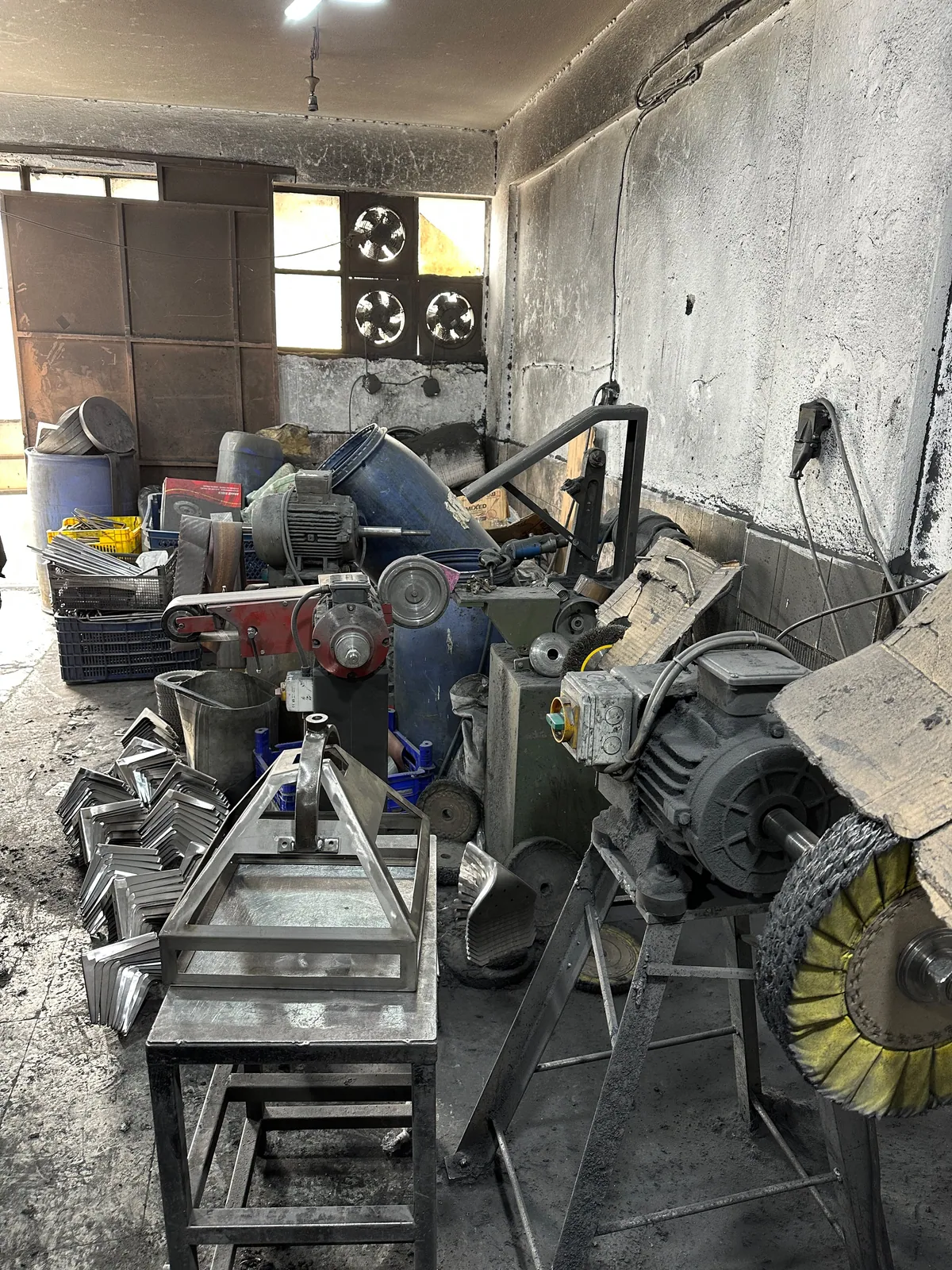
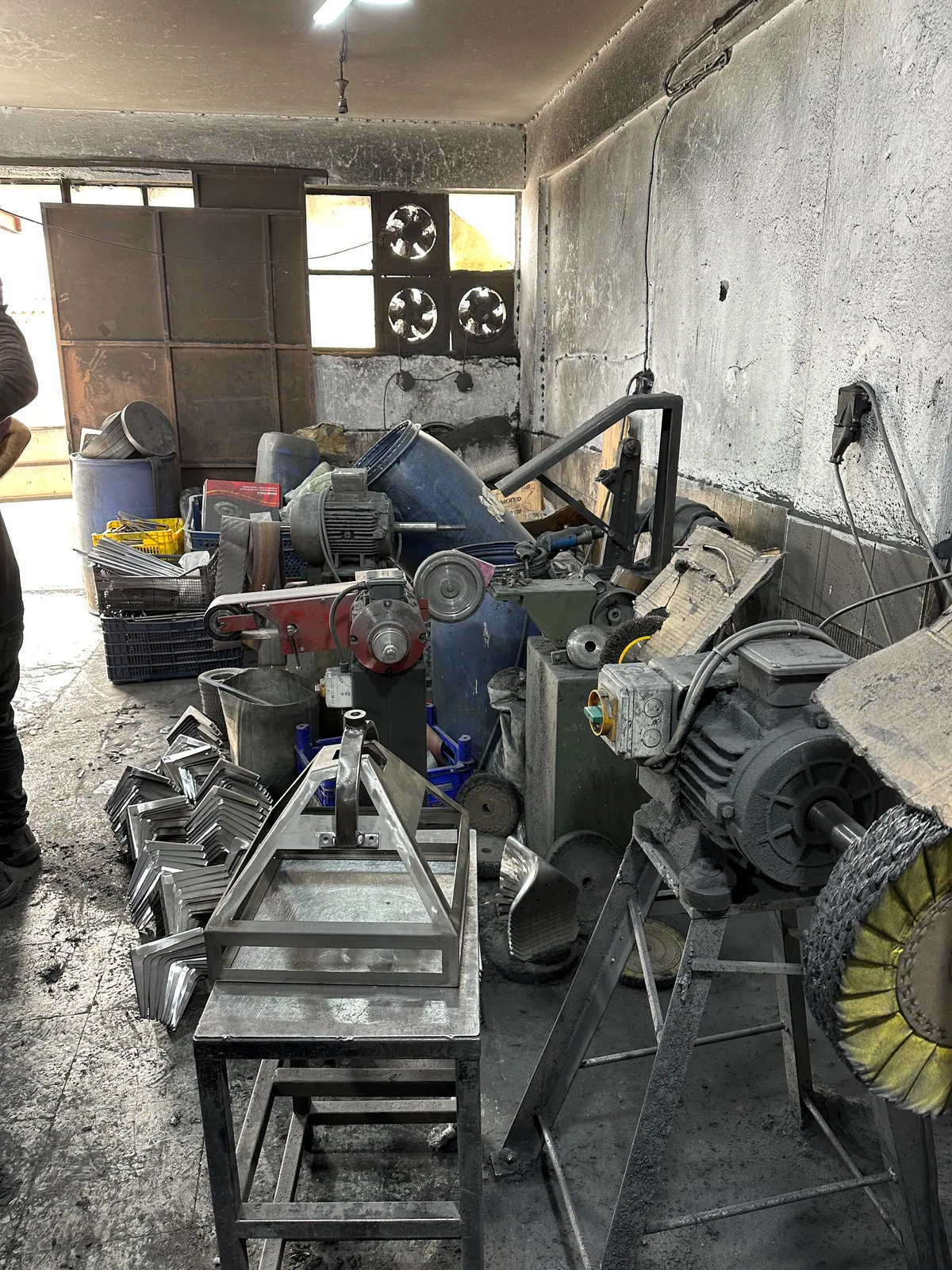
The video shows a worker bringing an aluminium component into contact with a rotating polishing wheel. The direction and contact are controlled for the shape of the part. Other workshop images show wheel and belt equipment used for surface preparation. The part then moves to coating, assembly and final inspection.
All manufacturing stagesPreparing the surface for decoration
Casting and turning prepare the shape and connection details. Polishing focuses on the surface: deburring, smoothing and brightening are carried out according to the needs of the component.
Curved and flat parts can need different working approaches. The aim is to deliver a prepared metal surface to the selected coating stage.
Wheels, belts and controlled handwork
The images show polishing wheels, belt equipment and the area where parts are worked by hand. The operator adjusts how the component meets the tool according to its form.
What leaves this stage is a prepared metal surface. Its appearance before coating should not be confused with the final gold-coloured or silver-coloured finish.
The next stages: coating and assembly
Polished parts proceed to their selected finish, such as a decorative gold-coloured coating or a silver-coloured nickel/chrome-based treatment. Assembly follows coating.
Final inspection considers surface appearance, component fit and product balance together. The individual surface preparation step is part of that wider manufacturing route.