What the production video shows
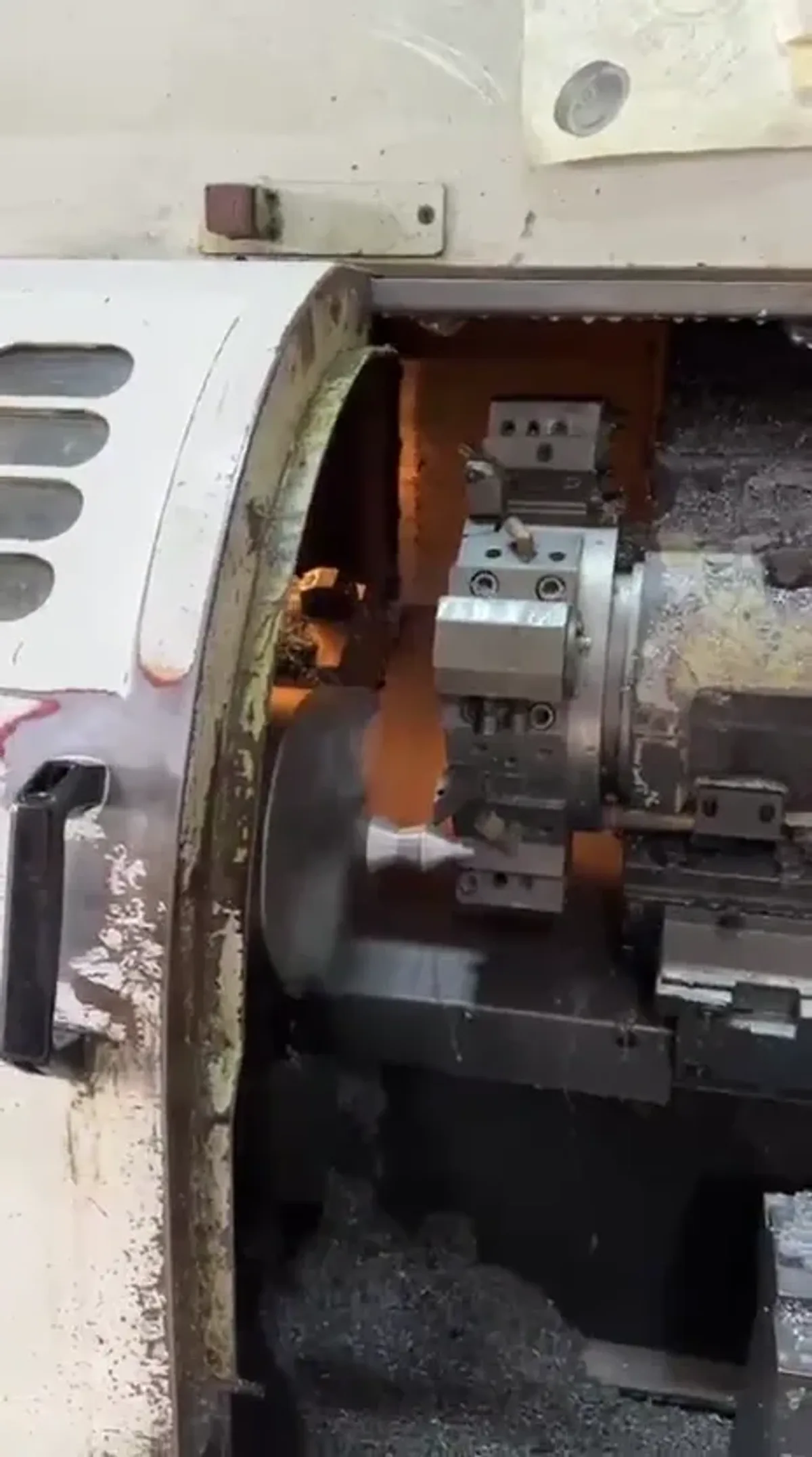
The video shows an aluminium component being worked on a turning/CNC machine. The rotating workpiece and cutting tool demonstrate machining after casting. Depending on the model, operations can include drilling, threading, facing and adjusting diameters or grooves. Machined parts continue to surface preparation and later assembly.
All manufacturing stagesRefining the cast component
A part arrives at the turning workshop with the main shape formed in casting. Here, connection areas and the dimensional details needed by the model are prepared.
A base, stem and arm perform different roles in the completed product. The tool and sequence of operations are chosen for that role rather than applied identically to every component.
Drilling, threading and surface machining
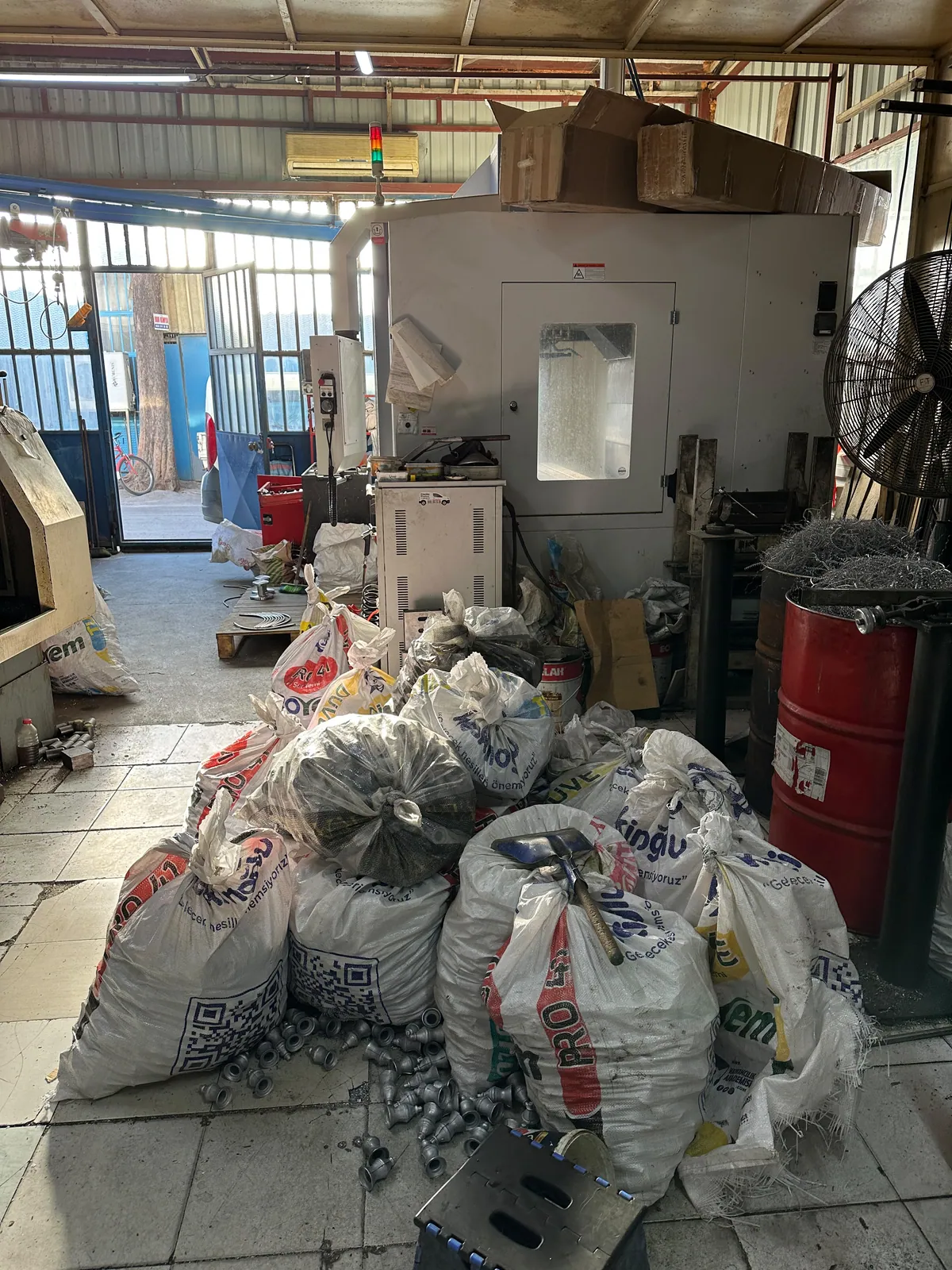
The workshop carries out drilling, threading, facing, diameter adjustment and groove machining where the model requires them. Connection details help individual parts fit together during assembly.
The part shown in the video is one example of this machining stage. Other candelabra designs may use different shapes and connections.
From machining to polishing
Machining is followed by surface preparation. Polishing prepares the metal for the chosen decorative coating; it has a different task from turning.
After coating, the parts are assembled. The final check considers the fit and balance of the entire candelabra, not only the appearance of an individual component.