What the production video shows
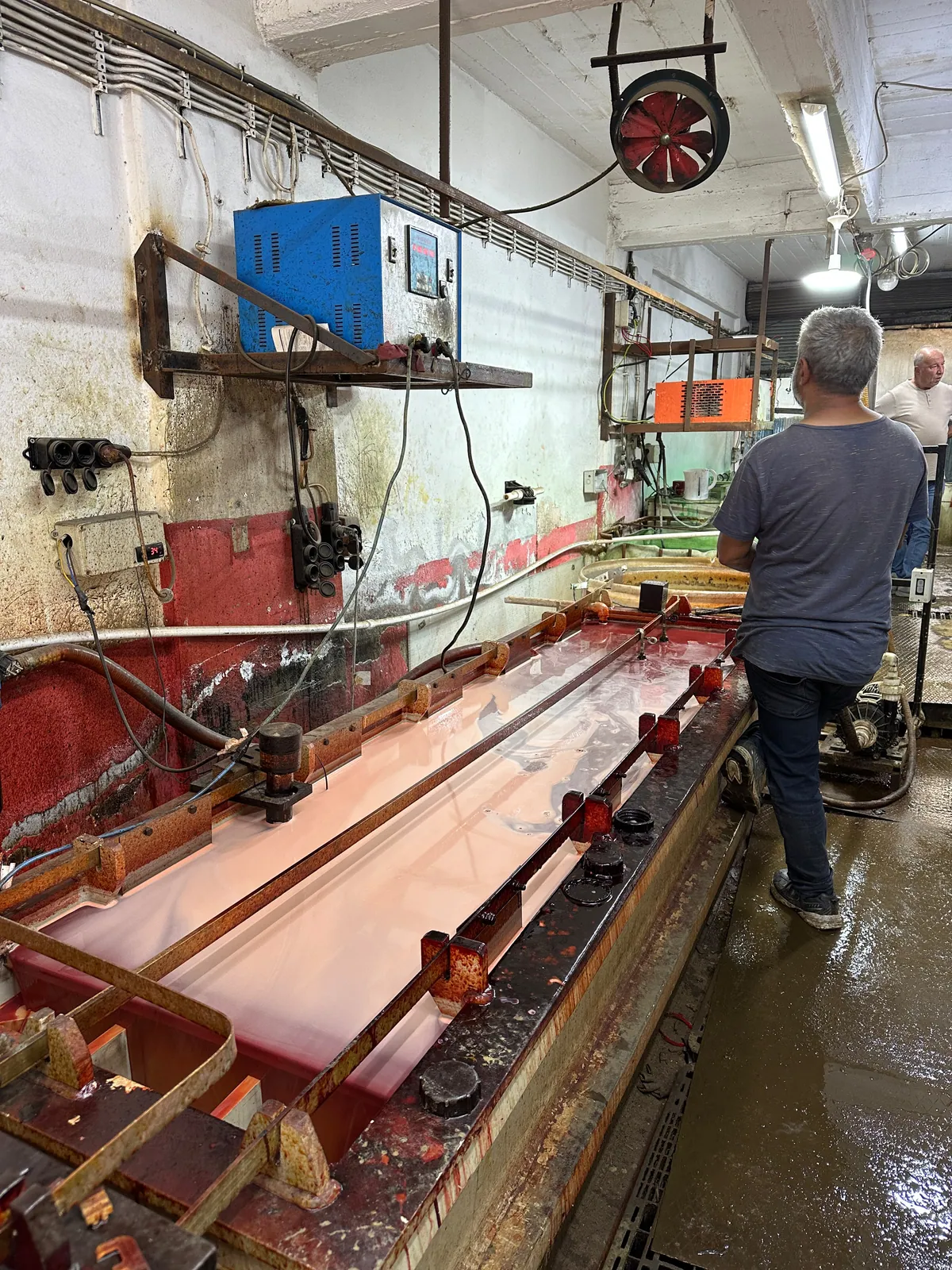
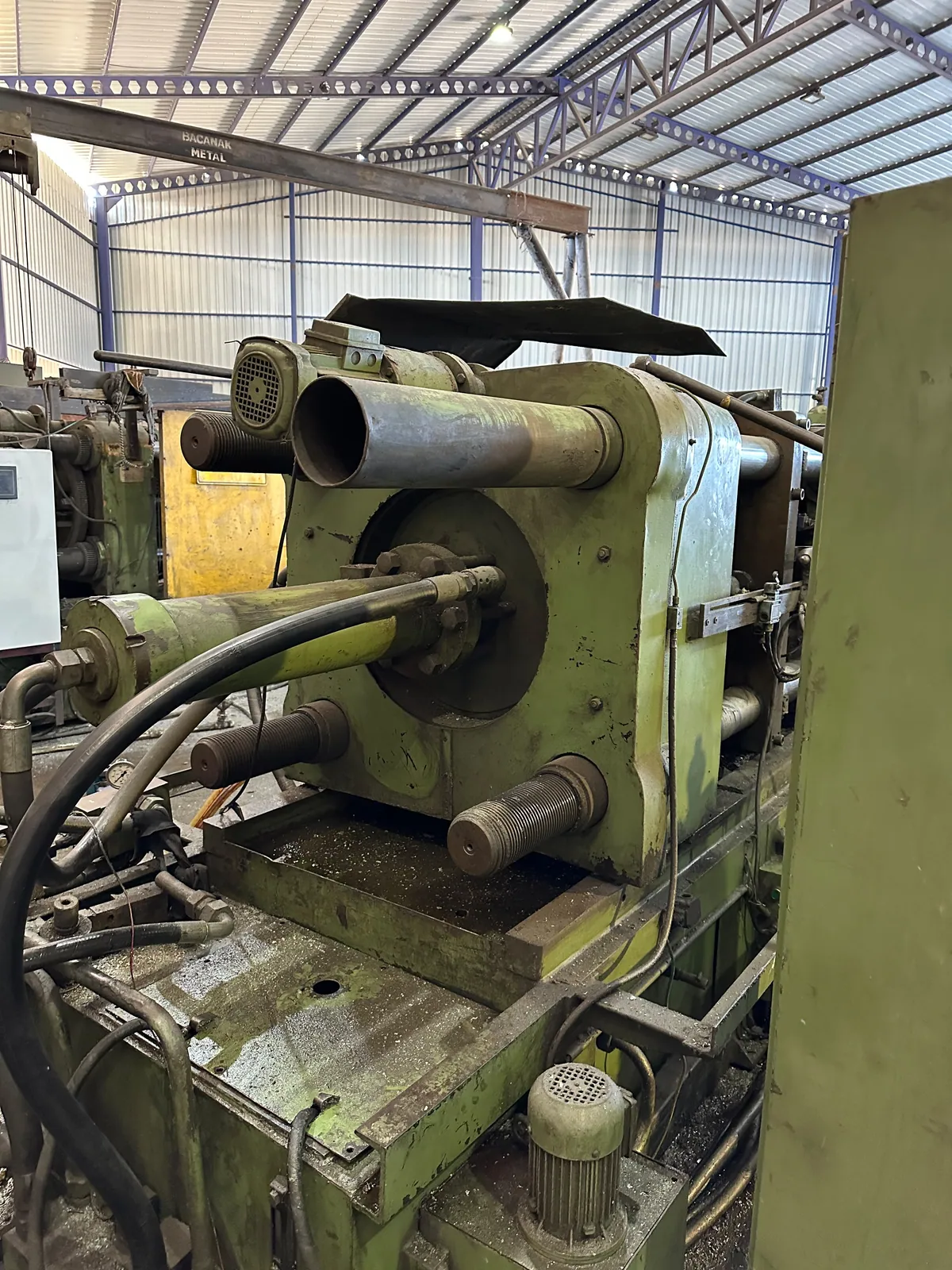
The video shows the foundry area, aluminium ingots and machinery used in production. Pure aluminium is formed into components by pressure casting. These castings still need machining, polishing and the selected decorative coating. Assembly, final quality checks and packing complete the manufacturing route.
All manufacturing stagesThe raw material before the decorative finish
The aluminium candelabras in this production series begin as pure aluminium ingots. The stacked ingots show the material before it becomes a recognisable decorative object.
Bases, stems and arms are made as components according to the model. Looking at those parts explains why a finished candelabra requires more than a single shaping operation.

Pressure casting creates the initial form
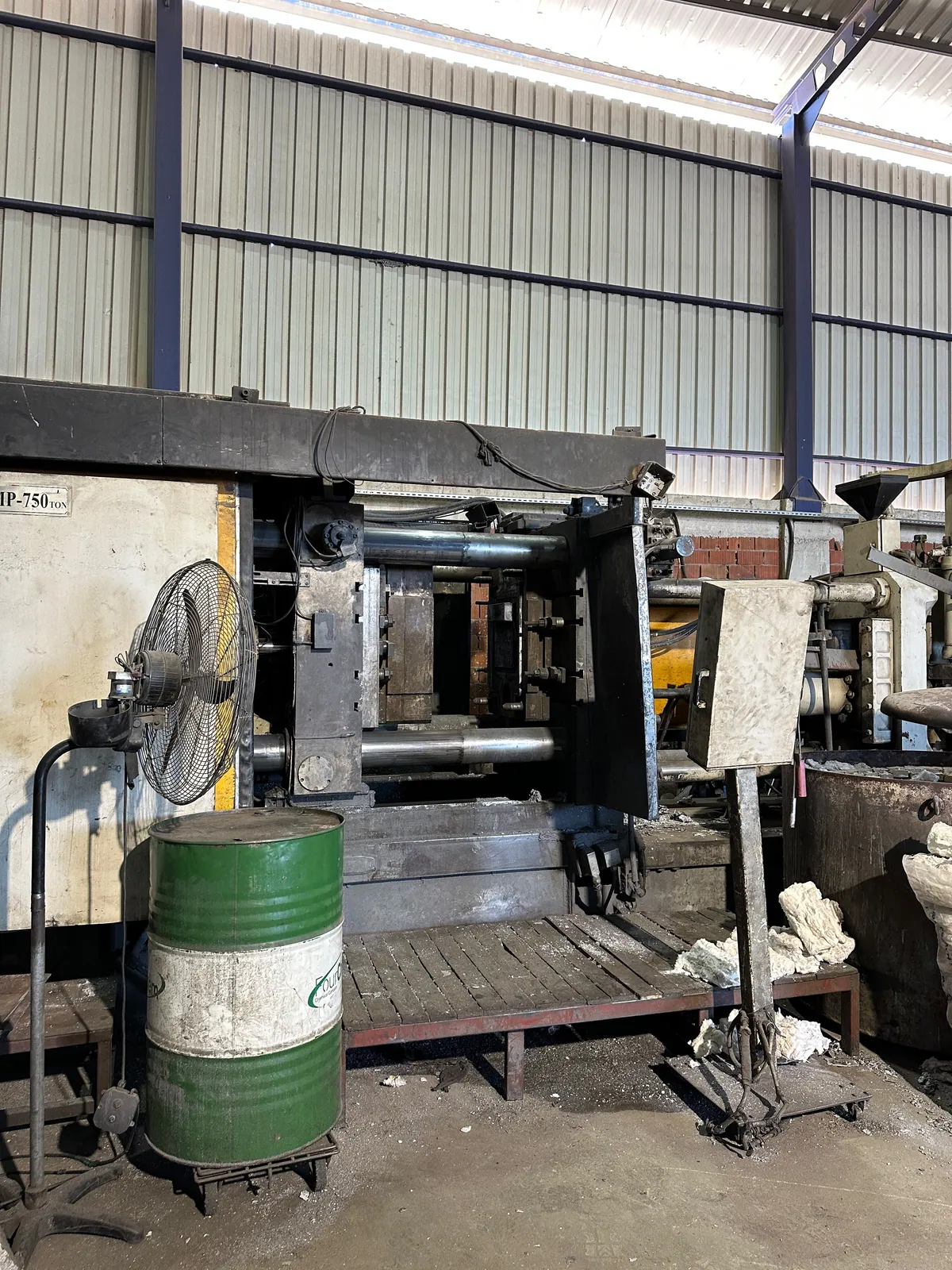
At the foundry, aluminium takes its principal shape in prepared moulds through pressure casting. The mould establishes the component geometry; cast parts are then assessed for the next operation.
The workshop footage connects the products in the catalogue with their actual manufacturing environment. Machines, moulds and material preparation all contribute to this first shaping stage.
A casting is only the beginning
Cast parts move to the turning workshop for the operations their model requires. Polishing prepares their surfaces, and coating provides the chosen decorative colour before assembly.
The assembled candelabra is checked for connections, balance and appearance. Approved pieces are packed for dispatch. The following guides show each part of this route in greater detail.